What is Malaria?
Malaria is a life-threatening disease caused by parasites of the genus Plasmodium. It is transmitted to humans through the bite of infected female Anopheles mosquitoes. Once inside the body, the parasites multiply in the liver and then infect red blood cells.
The most common species affecting humans include:
- Plasmodium falciparum (most severe and deadly)
- Plasmodium vivax
- Plasmodium ovale
- Plasmodium malariae
- Plasmodium knowlesi
Causes and Transmission
Malaria is primarily transmitted through the bite of infected mosquitoes. However, less common transmission routes include:
- Blood transfusion
- Organ transplantation
- Shared needles
- From mother to fetus (congenital malaria)
The disease is most prevalent in regions such as sub-Saharan Africa, Southeast Asia, and parts of South America.

Symptoms of Malaria
Symptoms usually appear 10–15 days after the infectious mosquito bite. Early diagnosis is critical to prevent complications.
Common symptoms include:
- High fever
- Chills and sweating
- Headache
- Muscle pain
- Fatigue
- Nausea and vomiting
Severe malaria symptoms:
- Confusion or coma
- Severe anemia
- Respiratory distress
- Organ failure
If untreated, severe malaria especially caused by P. falciparum can be fatal.
Diagnosis of Malaria
Accurate diagnosis is essential for effective treatment. Common diagnostic methods include:
1. Microscopic Examination
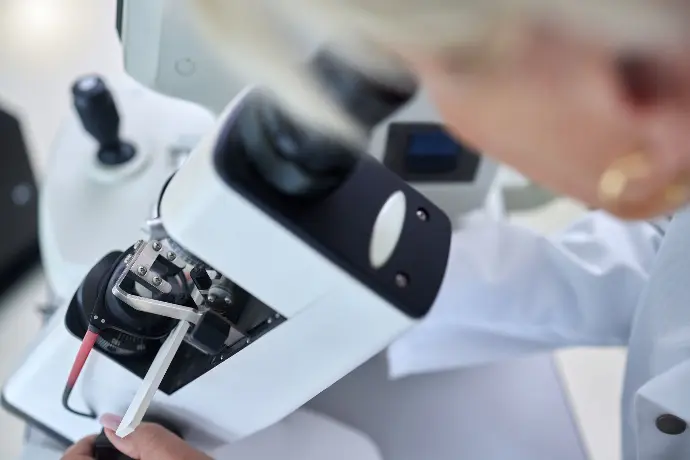
The gold standard involves examining blood smears under a microscope to detect malaria parasites.
2. Rapid Diagnostic Tests (RDTs)
These tests detect specific malaria antigens and provide quick results, especially in remote areas.
3. Molecular Techniques
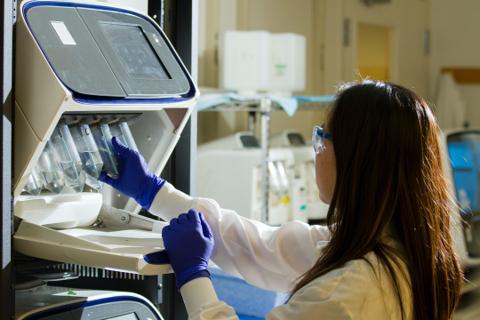
Advanced methods such as PCR (Polymerase Chain Reaction) offer high sensitivity and specificity, especially for low-level infections.
Treatment Options
Malaria is both preventable and curable. Treatment depends on the parasite species, severity, and patient condition.
Common antimalarial drugs:
- Artemisinin-based combination therapies (ACTs)
- Chloroquine (for sensitive strains)
- Primaquine (for liver-stage parasites)
Prompt treatment is essential to prevent complications and reduce transmission.
Prevention Strategies
1. Vector Control
- Use of insecticide-treated mosquito nets (ITNs)
- Indoor residual spraying (IRS)
2. Personal Protection
- Wearing long-sleeved clothing
- Using mosquito repellents
- Sleeping under bed nets
3. Preventive Medication
Travelers to high-risk areas may take prophylactic antimalarial drugs.
4. Vaccination
Recent developments have led to malaria vaccines, offering new hope in endemic regions.
Global Impact of Malaria
Malaria continues to place a heavy burden on healthcare systems and economies. According to global health reports, children under five years old and pregnant women are the most vulnerable populations.
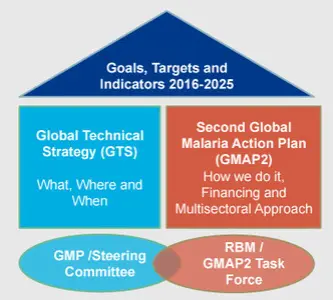
Efforts by international organizations aim to reduce malaria incidence through improved access to diagnosis, treatment, and preventive tools.
Conclusion
Malaria remains a major public health challenge, but it is preventable and treatable with the right strategies. Increased awareness, early diagnosis, and effective prevention measures are key to controlling and eventually eliminating this disease.